


KEDIAS Damper
Tian Jin Natebell Sealing Technology Co.,ltd. was founded in 2009, mainly engaged in construction machinery, excavators, hydraulic hammers and other sealing products. Annual output value of 100 million yuan. Registered trademarks are KEDIAS, B.K.S brand, but also the NOK contracted dealers. We have developed more durable and suitable sealing materials for various harsh working conditions, focusing on providing you with comprehensive hydraulic sealing system solutions. Additionally, we have a perfect, scientific quality management system, as well as proper after-sales service. As one of the leading oil seal manufacturers and suppliers in China, all of our customized products are with high quality and competitive price. We are your trusted partner, providing high-end products and making you different!
Why Customers Choose Us?
High Quality
Based on material development, combined with decades experience on seals design, production and application, all products are verified with professional laboratory and bench testing. We have a perfect QC system for the perfect products. A team who will detect the product quality and specification piece carefully, monitoring every production process until packing is complete, to ensure product safety into container. Additionally, we have independently developed the KEDIAS brand Breaker hammer seal and jointly developed a sealing structure with high temperature resistance, focusing on providing you with comprehensive hydraulic sealing system solutions.
Professional Team
At present, our company has more than 70 employees, including 10 graduate degree, more than 40 bachelor's degree. With the Hebei University of Technology School of Materials, we jointly develop materials with high temperature, super wear-resistant, longer service life sealing structure.
Advanced Equipment
Our company is a comprehensive enterprise with perfect sealing research and development and production capacity. The company has a total of 24 turning and sealing machine tools, 15 injection molding machines, 6 PTFE hydraulic presses, various rubber vulcanizing machines, and the company's independently developed guide belt production line. Also we have clear division of labor, strict quality inspection and a full set of storage system.
Rich Experience
Parker Seals has involved in the research and development, production, manufacturing and sales of construction machinery seals more than 15 years. We have become experts in hydraulic breaker parts and excavator components. Rely on our knowledge and expertise to find the right parts for your equipment.
Wide Market
At present, we have more than 3,300 dealers nationwide, and now cooperate with XCMG, SANY ZHONGLI, EDDIE PRECISION, BELITE, BEST, DAEKKO and other large construction machinery Original Equipment Manufacturer. And exported to the Middle East, Southeast Asia, Africa and other 40 countries and regions.
Superior Service and Logistics
We understand the importance of timely repairs and maintenance. Our customer service team is available and dependable to provide support and solutions to customers at all times. Benefit from our fast and reliable delivery service, ensuring that your hydraulic breaker parts and excavator components arrive on time.

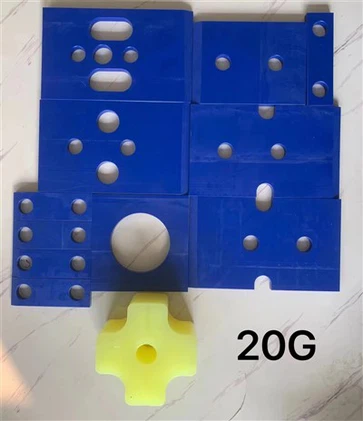


Brief Introduction to Kedias Damper
Polyurethane damper for hydraulic Hammers, is used specially for sound damper/absorber for hydraulic hammers. Within working process of Hydraulic Breaker (Hammer), there is high vibration oscillation inside of machine. To dampen vibration, the Upper and Side Polyurethane Dampers are in binding use. They are used as the damper/buffer inserts between the metal parts of rock breaker/hammer to absorb the vibration/shock/sound.
What are Features of Polyurethane Damper for Hydraulic Breaker?
Abrasion Resistance
The abrasion resistance of polyurethane dampers for hydraulic breakers is a crucial factor in determining their durability and longevity in harsh working conditions. The abrasion resistance of polyurethane (PU) dampers for hydraulic breakers is typically quite high. PU is known for its durability and resistance to wear, making it a suitable material for dampers in hydraulic systems.
Cut and Tear Resistance
The cut resistance of a polyurethane damper refers to its ability to resist being punctured or sliced by sharp objects or debris that may be present in the working environment. A high level of cut resistance ensures that the damper maintains its integrity and continues to function effectively, even in the presence of potential cutting hazards. Tear resistance, on the other hand, refers to the ability of the polyurethane material to resist tearing or splitting when subjected to tensile forces or impact. A damper with good tear resistance can better withstand the stresses and strains caused by the rapid movements and impacts of the hydraulic breaker, reducing the likelihood of premature failure.
Excellent Dynamic Properties
One key dynamic property of polyurethane dampers is their ability to rapidly respond to and dissipate impact energy. This quick response time helps to minimize the transmission of shock and vibration to the surrounding structures, protecting them from damage and extending their lifespan. Additionally, polyurethane dampers exhibit good elasticity and resilience, allowing them to recover quickly after being compressed or deformed. This rapid recovery helps to maintain stable damping performance over time, even under repeated impacts and vibrations.
Impact Resistance
Impact resistance refers to the ability of a material to withstand and absorb the force of a sudden, intense blow or impact without significant damage or deformation. Polyurethane dampers are designed to effectively dissipate the energy generated by impacts, reducing the transmission of shock and vibration to the surrounding structures. Polyurethane dampers exhibit good elasticity and resilience, which allow them to rapidly recover from deformations caused by impacts. This quick recovery maintains the damper's shape and function, enabling it to continue absorbing impacts effectively over time.
Low Compression Set
The low compression set of polyurethane dampers for hydraulic breakers is a crucial property that ensures their long-term performance and reliability. Compression set refers to the permanent deformation that occurs in a material after it has been compressed and then released. Polyurethane dampers with a low compression set maintain their original shape and performance even after repeated compression cycles, making them suitable for applications that require consistent damping over time.
Low Temperature Resistance
Many polyurethane remain flexible at very low temperatures and possess outstanding resistance to thermal shock. The low temperature resistance of polyurethanes has led to many applications in Arctic conditions.
Automotive
PU dampers are used in vehicle suspension systems to absorb shocks and vibrations, improving ride comfort and stability.
Construction
In hydraulic breakers, PU dampers are crucial components for absorbing impact forces and reducing vibrations during operation, enhancing efficiency and longevity.
Industrial Machinery
PU dampers are employed in industrial machinery to dampen vibrations, minimize noise, and protect sensitive components from damage.
Aerospace
In aircraft and aerospace applications, PU dampers are utilized for vibration isolation and shock absorption to ensure smooth operation and structural integrity.
Medical Equipment
PU dampers are used in medical devices and equipment to minimize vibrations and noise, ensuring accurate and reliable performance.
Sporting Goods
In sports equipment like tennis racquets, PU dampers help dampen vibrations upon ball impact, improving player comfort and control.
Consumer Electronics
PU dampers can be found in electronic devices such as computers and appliances to reduce noise and vibration, enhancing user experience and product longevity.
Use This Guide When Choosing Polyurethane Damper for Your Needs
Load Capacity
Determine the maximum load or weight that the damper will need to support. This will help you select a damper with the appropriate load capacity to handle the required forces.


Vibration and Shock Absorption
Assess the level of vibration and shock that the damper needs to absorb. Consider the frequency and magnitude of vibrations in your application to choose a damper with the right damping characteristics.
Environmental Conditions
Evaluate the environmental conditions in which the damper will operate. Factors such as temperature extremes, exposure to chemicals or oils, and UV radiation can affect the performance and lifespan of the damper. Ensure that the chosen damper is compatible with the specific environmental conditions.


Dimensions and Mounting
Consider the available space and mounting requirements for the damper. Ensure that the dimensions and mounting options of the damper align with your equipment or system.
Material Compatibility
Assess the compatibility of the PU damper material with other materials it will come into contact with. This is particularly important if the damper will be exposed to fluids, chemicals, or abrasive substances. The PU material should be resistant to degradation or damage from these substances.


Manufacturer's Recommendations
Consult the manufacturer's guidelines and recommendations for selecting the appropriate damper. They may provide specific information on load capacities, performance characteristics, and compatibility with different applications.
Precautions When Using Polyurethane Damper
Follow Manufacturer's Guidelines
Adhere to the manufacturer's instructions and guidelines for the specific PU damper you are using. This includes recommendations for installation, operation, maintenance, and any specific limitations or restrictions.
Proper Load Distribution
Ensure that the load is evenly distributed across the damper to prevent excessive stress on specific areas. Uneven loading can lead to premature wear or failure of the damper.
Avoid Overloading
Do not exceed the recommended load capacity of the damper. Overloading can cause damage to the damper and compromise its performance.
Inspect Regularly
Regularly inspect the PU damper for signs of wear, damage, or deterioration. Look for cracks, tears, or deformation that may affect its functionality. Address any issues promptly to prevent further damage.
Cleanliness
Keep the damper and its surrounding area clean to prevent the accumulation of dirt, debris, or contaminants that could interfere with its performance. Regularly remove any buildup that may affect the damper's movement or sealing.
Avoid Excessive Heat
Protect the PU damper from excessive heat sources, as high temperatures can affect its material properties and performance. Ensure that the damper is not exposed to direct sunlight or placed near heat-emitting equipment.
Avoid Chemical Exposure
PU dampers may be susceptible to certain chemicals, oils, or solvents. Avoid contact with substances that can degrade or damage the damper material. Refer to the manufacturer's recommendations for chemical compatibility.
Replace Damaged Dampers
If a PU damper shows signs of significant wear, damage, or loss of functionality, it should be replaced promptly. Continuing to use a damaged damper can compromise the performance of the system and potentially lead to safety hazards.
Some Common Polyurethane Damper Failures and Their Solutions
Possible Reasons: Internal wear of the damper, aging of the polyurethane material, or improper installation leading to reduced damping performance.
Solution: Check the installation of the damper to ensure it is installed correctly; if it is severely worn or aged, consider replacing the damper with a new one.
Possible Reasons: The damper does not match the surrounding structure, the connection is loose, or there is foreign matter inside the damper.
Solution: Check the connection of the damper to ensure that it is not loose; clean the inside of the damper to ensure that there are no foreign objects; if the problem persists, the damper may need to be replaced.
Possible Reasons: The damper seal is damaged, it was not sealed correctly during installation, or the working environment is too harsh.
Solution: Replace damaged seals; check the installation to ensure good sealing; if the working environment is harsh, consider strengthening protective measures.
Possible Reasons: Damper overload, improper installation position, or inappropriate material selection.
Solution: Check the load condition of the damper to ensure that it does not exceed the rated load; select a suitable installation location; select the appropriate polyurethane material according to the application environment.
Possible Reasons: Chemical corrosion, mechanical damage, or environmental factors (such as ultraviolet light).
Solution: Check the working environment to avoid contact with corrosive substances; strengthen mechanical protection to prevent external damage; if the surface damage is serious, consider replacing the damper.
Troubleshooting Polyurethane Damper
Observation and Analysis
Carefully observe the appearance and performance of the damper and analyze possible causes of failure.
Inspection and Testing
Check the damper installation, connecting parts, seals, etc., and perform necessary performance tests.
Troubleshooting and Repair
According to the cause of the fault, take appropriate measures to troubleshoot and repair.
Prevention and Recording
After solving the fault, strengthen preventive measures and record the cause, processing and results of the fault for future reference.
Our Factory


Ultimate Guide
As one of the leading kedias damper manufacturers and suppliers in China, we warmly welcome you to buy discount kedias damper in stock here and get pricelist from our factory. All customized products are with high quality and competitive price.
S650C, HBY Buffer Seal, F 35 F 45 FXJ 225 FXJ 475 FXJ375 HB 15G HB 20G HB 30G HB 40G